Allergy immunotherapy: injections and tablets
Allergy immunotherapy is a treatment in which the body is given increasing amounts of the allergen, so that it gradually reduces its reaction to it. Treatment by injection usually lasts three to five years, and is meant for people whom the medicines do not help enough. A cure is not promised, but the sensitivity can fall in the long term.
How it works
In the treatment you receive increasing amounts of the allergen. It seems that the body develops a “blocking” antibody, which reduces the allergic reaction at the next exposure, and also reduces the inflammation that appears in allergic rhinitis and asthma. This is the only treatment that changes the response of the immune system itself, and does not only ease the symptoms.
Before starting, the allergist identifies the triggers and confirms with skin tests, and sometimes blood tests, which allergens the patient is sensitive to. The treatment is usually recommended when the sensitivity is well defined and clear to a few allergens. The mixture of allergens is set according to the test results.
Who it suits
Immunotherapy is usually considered when the medicines and nasal steroids are not enough. It treats allergic rhinitis and allergic asthma caused by grasses, pollen or house dust mite, and also allergy to insect venom such as a bee. Children from about the age of five can start, when the allergist has found triggers such as grass pollen or mite.
Whether the treatment suits you is decided by the doctor, according to your medical condition and the medicines you take.
Injections or tablets
- Injections (SCIT): the most common form, and the most effective. They are given in a medical setting and not at home.
- Tablets under the tongue (SLIT): taken under the tongue, with no injections. There are approved tablets for some kinds of allergy. Drops under the tongue are not approved in this way in the United States. The supply in Israel and the terms of coverage in the health basket vary, and it is worth asking the doctor.
How long it takes
Injections have two stages. The build-up stage usually lasts four to six months, with an injection once or twice a week, and the dose rises gradually. Then comes the maintenance stage, in which you usually receive an injection every two to four weeks, for three to five years.
The relief of symptoms is not immediate, and it can continue even after the treatment has ended. To reach long-term relief it is worth completing at least three years. If there is no improvement after a year in the maintenance stage, the allergist will consider alternatives.
Risks and caution
The common reaction is redness and local swelling at the injection site. A severe allergic reaction, anaphylaxis, is possible but rare, and fatal cases are extremely rare. So the injections are given in a medical setting, and it is usual to wait in the clinic for about half an hour after each injection, because most significant systemic reactions develop within a short time. The waiting rules vary between clinics. Accelerated schedules (cluster, rush) raise the risk of a reaction, and in such cases pre-treatment with antihistamines is sometimes given.
Symptoms of a severe reaction: hives, swelling, tightness in the throat, shortness of breath, nausea, vomiting or diarrhoea. These need immediate treatment.
Frequently asked questions
How long does treatment by injection last?
The build-up stage usually lasts four to six months, and the maintenance stage three to five years, with an injection every two to four weeks.
When will I feel relief?
The relief is gradual. For long-term relief it is worth completing at least three years. If there is no improvement after a year of maintenance, it is reassessed.
Does the treatment cure allergy?
A cure is not promised. The treatment can reduce the sensitivity and ease the symptoms, and sometimes the relief continues even after the treatment ends.
Can I have the injections at home?
No. The injections are given in a medical setting only, because of the risk of a rare severe reaction.
What is the difference between injections and tablets?
Injections are the most common and most effective form. Tablets under the tongue are taken without an injection, and there are approved tablets for some kinds of allergy. What suits you will be decided with the doctor.
Sources
Would you like to talk about this?
If you have these symptoms or are unsure about the next steps, it is best to consult your treating doctor. To arrange an appointment, you can contact us.
Book an appointmentThe information in this article is for information only and is not medical advice, a medical diagnosis or a recommendation for treatment. In any medical problem, consult a licensed physician.
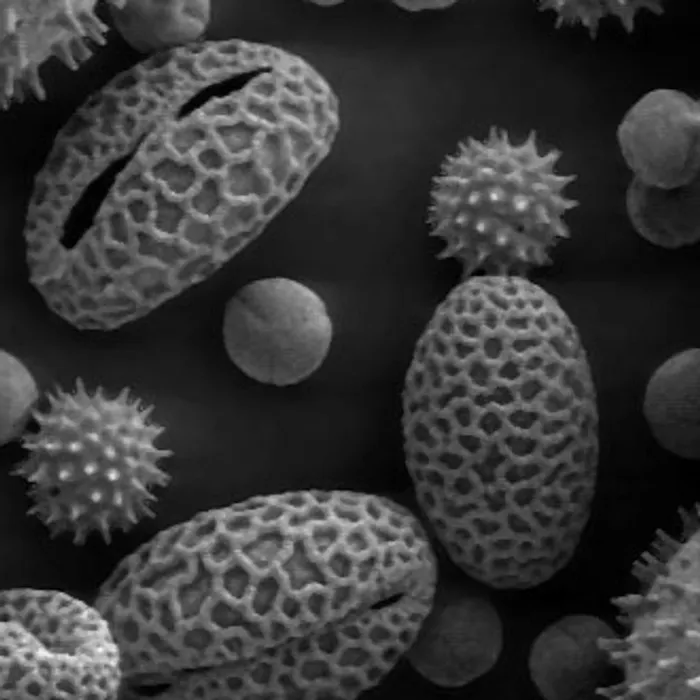
When to ask about immunotherapy
- The medicines are not enough.
- The symptoms come back and harm quality of life.
- The tests showed sensitivity to an allergen that can be treated, such as grasses, pollen or house dust mite.