Allergic rhinitis
Allergic rhinitis is a reaction of the immune system to substances that are usually harmless, such as pollen, house dust mite and mould. It causes sneezing, a runny or blocked nose, and itching of the nose and eyes. Unlike a cold, which passes within a week or two, it can last for weeks and even months.
What happens in the body
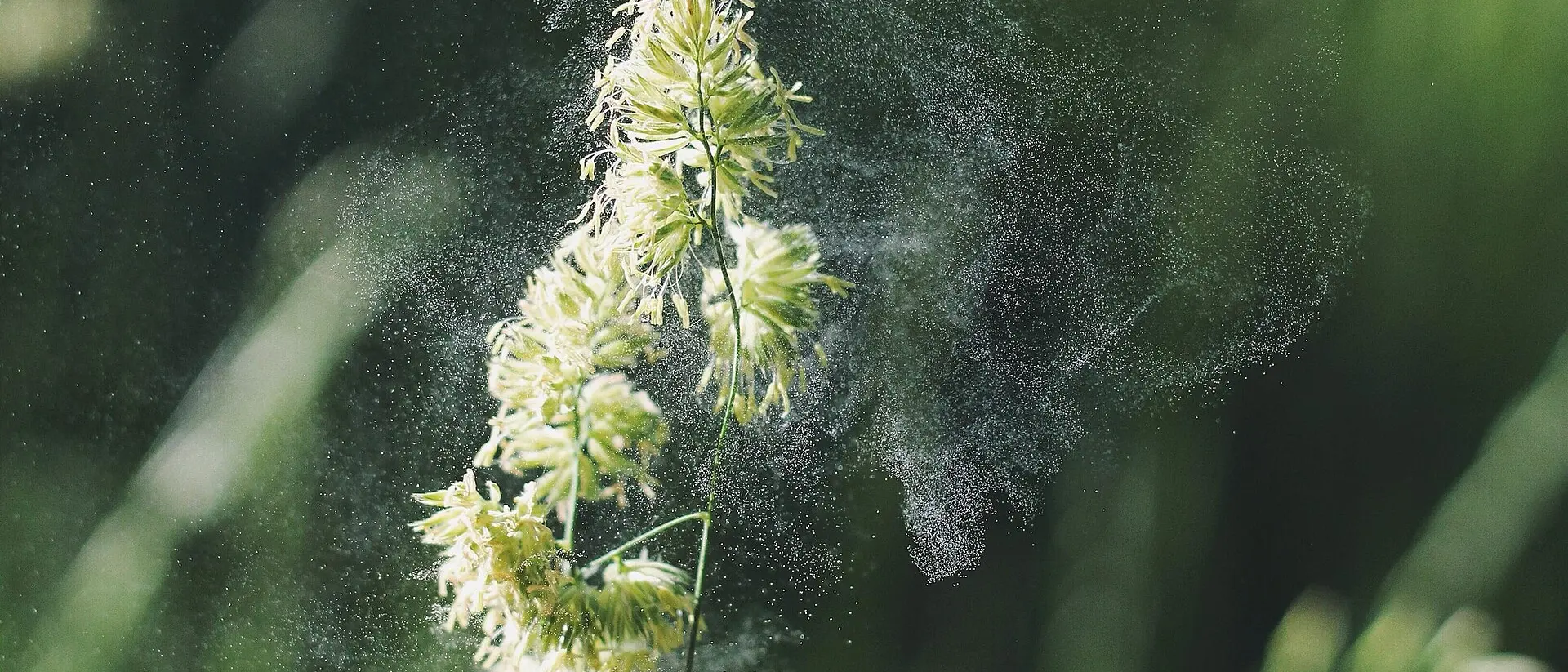
When an allergic person breathes in pollen or mite particles, the immune system reacts as if it had met a threat. It releases substances such as histamine, which make the lining of the nose swell, produce fluid and itch. When the allergen is seasonal pollen this is often called hay fever. When it is house dust mite, the symptoms can stay all year.
In northern Israel the picture is varied. In a 2025 study of 1,993 patients with allergic rhinitis, tested in the Jezreel Valley and Nazareth, the most common positive skin test was to house dust mite (about 75%), followed by tree pollen (about 44%), olive (about 34%), grasses (about 26%) and cats (about 23%). Cypress and pellitory (wall pellitory) were more common among city residents.
The symptoms, and how it differs from a cold
The common symptoms:
- Sneezing and cough
- A watery runny nose or a blocked nose
- Itching of the nose, eyes, throat and ears
- Red, watery eyes
- A reduced sense of smell
- Headache, pressure around the forehead and cheeks, and tiredness
A cold usually passes within a week or two. Allergic rhinitis can last for weeks or months, and often returns in the same season every year. If this endless runny nose arrives every spring, it is worth suspecting an allergy.
When it happens here
Cypress pollen starts to spread as early as January and peaks in March and April. People who are sensitive to it usually suffer between February and April. After it come the olive and grass seasons, in spring. House dust mite is not seasonal, so someone who is sensitive to it can feel the symptoms in summer and winter too.
The seasons calendar on this site shows what is in the air each month. The dates vary a little from area to area and from year to year.
How the diagnosis is made
Sometimes a doctor is satisfied with a description of the symptoms and a physical examination. When the cause is unclear, when the medicines are not enough, or when immunotherapy is being considered, we test which allergens the person is sensitive to, with a skin test or a blood test.
There is one important rule for reading the results: a positive test is meaningful only when it fits the patient’s story. A person can be sensitive to a particular pollen on a test without it causing any symptoms. The details of the tests are on the allergy tests page.
What can be done
There is no complete cure for allergic rhinitis today, but it can be eased a great deal, and the relief has three parts.
- Medicines: antihistamines (tablets, eye drops or a nasal spray) and steroid nasal sprays. Some antihistamines cause drowsiness, and there are alternatives that do not. A pharmacist can advise on sprays that need no prescription.
- Saline nasal rinses, provided that only distilled or sterilised water is used.
- Reducing exposure: shower and change clothes after being outdoors, keep windows closed in the season, dust with a damp cloth, and limit time outside on days with a high pollen count. Wraparound sunglasses and a wide-brimmed hat help, and so does a thin layer of petroleum jelly around the nostrils, which traps pollen.
For people whom the medicines do not help enough, immunotherapy can be considered: gradual exposure to the allergen, by injections or tablets, aimed at reducing the sensitivity in the long term. It usually starts a few months before the season. Details are on the immunotherapy page.
Frequently asked questions
How can I tell allergic rhinitis from a cold?
A cold usually lasts a week or two. Allergic rhinitis lasts weeks or months and usually returns in the same season. Itching of the eyes and nose is common in allergy.
Can allergic rhinitis be gotten rid of for good?
There is no complete cure today. Medicines and reducing exposure ease the symptoms, and immunotherapy can reduce the sensitivity in the long term in people who are suitable for it.
When is the pollen season in northern Israel?
Cypress starts in January and peaks in March and April, and olive and grasses come in spring. House dust mite is present all year.
Do I have to be tested if the medicines help?
Not always. A test is useful when the cause is unclear, when the medicines are not enough, or when immunotherapy is being considered.
Are nasal rinses safe?
Yes, provided that only distilled or sterilised water is used. Ordinary tap water is not suitable for rinsing the nose.
Sources
- NHS: Hay fever
- MedlinePlus: Hay Fever
- ACAAI: Allergy testing
- PubMed: Rottem M, Noujedat M, Awni Y. Sensitizations to aeroallergens in Israel: prevalences and profiles. Allergol Immunopathol 2025
- PubMed: Geller-Bernstein C, Waisel Y, Lahoz C. Environment and sensitization to cypress in Israel. Allerg Immunol 2000
Would you like to talk about this?
If you have these symptoms or are unsure about the next steps, it is best to consult your treating doctor. To arrange an appointment, you can contact us.
Book an appointmentThe information in this article is for information only and is not medical advice, a medical diagnosis or a recommendation for treatment. In any medical problem, consult a licensed physician.
When to see an allergist
- The symptoms get worse or do not improve after medicines sold at the pharmacy.
- The symptoms return every season and affect sleep, work or studies.
- There is also cough or wheezing.
- You want to know the cause, or to consider immunotherapy.